


Your Guide to Buying a Second Home: Tips and Considerations
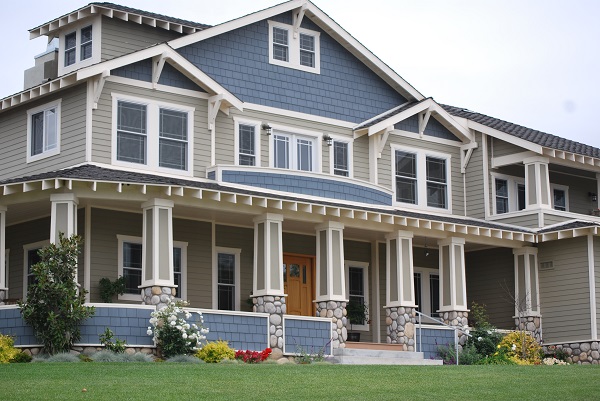
Owning a second home is a dream that many people aspire to. Whether it’s a cozy cottage in the mountains, a beachfront escape, or an urban apartment, a second home can provide a getaway from the daily grind and offer potential investment opportunities. However, buying a second home requires careful consideration and planning. We will explore essential tips to help you make an informed decision when purchasing a second home, including Lakeside Bank’s financing options for a second home.
- Define Your Purpose: Before you start browsing listings, clearly define your purpose for buying a second home. Are you looking for a vacation retreat, an income-generating property, or a mix of both? Understanding your objectives will guide your decisions throughout the process.
- Set a Realistic Budget: Determine how much you can comfortably afford for a second home without compromising your financial stability. Consider not just the property price, but also additional costs such as property taxes, insurance, maintenance, and potential renovations.
- Location, Location, Location: The location of your second home is crucial. Research different regions, neighborhoods, and local amenities. Consider proximity to your primary residence, ease of access, and the lifestyle you envision for your second home.
- Rental Income Potential: If you’re considering renting out your second home, research the local rental market to gauge potential income. Factors like tourism trends, seasonal demand, and local attractions can influence your property’s rental appeal.
- Tax Implications: Consult a tax advisor to understand the tax implications of owning a second home. Tax rules vary depending on factors such as how often you’ll use the property, whether you’ll rent it out, and its location.
- Financing Options: Explore your financing options, which might include a second mortgage, home equity loan, or cash-out refinance.
- Conventional Mortgages: These are offered by banks and lending institutions, typically requiring a down payment of around 10% to 25%. Interest rates and terms may vary based on your creditworthiness.
- Portfolio Loans: Some lenders offer portfolio loans that are not sold to government entities. These loans may have more flexible terms and underwriting criteria. Lakeside Bank offers a portfolio loan for second homes with a low rate on a 5/1 ARM with 25% down payment.
- Down Payment Requirements: Second homes often come with higher down payment requirements compared to primary residences. Lenders may require a down payment of 10% to 30% of the home’s purchase price. This is because second homes are perceived as higher risk, given that borrowers may prioritize payments on their primary residence in case of financial difficulties.
- Interest Rates: Interest rates for second home loans tend to be slightly higher than those for primary residences. Lenders consider second homes riskier, which can lead to a higher cost of borrowing. Shopping around for the best interest rate is crucial to secure favorable financing. Lakeside Bank offers the same rate for a primary residence and a second home with its portfolio loan.
- Income and Debt Requirements: Lenders will assess your debt-to-income ratio (DTI) and overall financial stability to determine your eligibility for a second home loan. Keep in mind that you’ll need to demonstrate the ability to afford both your primary and second home payments.
- Use of the Property: Lenders often inquire about how you intend to use the second home. Will it be a vacation property for personal use, a rental property, or a combination of both? The use of the property can impact the loan terms and interest rates. If you plan on using your second home for AirBnB, please be prepared to explain this to your lender.
- Tax Implications: Tax benefits for second homes are different from those for primary residences. Mortgage interest and property taxes on a second home are generally deductible, but limitations apply. Consulting a tax professional can help you understand the tax implications of owning a second home.
- Additional Costs: Owning a second home comes with additional expenses, such as property management fees, maintenance costs, insurance, and potentially homeowners association (HOA) fees. Factoring these into your budget is crucial for a comprehensive financial plan.
- Long-Term Maintenance: Owning a second home entails ongoing maintenance. Consider the feasibility of maintaining two properties, especially if you’re not planning to reside in your second home year-round. Budget for routine upkeep and unexpected repairs.
- Research Homeowners’ Associations (HOAs): If your second home is part of a homeowners’ association, thoroughly review their rules, regulations, and fees. Some HOAs have restrictions on renting out properties or making certain modifications.
- Resale Value: While you may be excited about your second home now, think about its potential resale value in the future. Trends and preferences change, so choose a property that has the potential to appeal to a wide range of buyers.
- Visit the Property: Before finalizing the purchase, visit the property multiple times, ideally during different seasons. This will give you a better understanding of what to expect and whether the property truly aligns with your vision.
Buying a second home can be a rewarding endeavor, offering you a place to relax, make memories, and potentially generate income. By carefully considering your goals, budget, location, and potential rental income, you’ll be better equipped to make an informed decision that aligns with your lifestyle and financial objectives. Remember, thorough research and professional guidance will be your allies throughout the process, ensuring that your second home venture is a successful and enjoyable one. Talk to your Lakeside Bank mortgage loan consultant to help you in the process.
